Views483−51%vs avg
Forwards—
Reactions—
Comments—

The books of the Salaf
By publication day
| Date | Avg views per post |
|---|---|
| Oct 31, 2026 | 1,080 |
| Nov 3, 2026 | 1,510 |
| Nov 13, 2026 | 970 |
| Nov 15, 2026 | 1,100 |
| Nov 19, 2026 | 823 |
| Nov 20, 2026 | 483 |
Imām Mālik ibn Anas narrated, from Az-Zuhrī who said: I asked Sa’īd ibn Al-Musayyib (tābi’ī and student of many of the Sahābah) about the companions of the Messenger of Allāh (s), so he said to me: اسْمَعْ يَا زُهْرِيُّ ، مَنْ مَاتَ مُحِبًّا لِأَبِي بَكْرٍ وَعُمَرَ وَعُثْمَانَ وَعَلِيٍّ ، وَشَهِدَ لِلْعَشَرَةِ بِالْجَنَّةِ ، وَتَرَحَّمَ عَلَى مُعَاوِيَةَ ، كَانَ حَقِيقًا عَلَى اللَّهِ أَنْ لَا يُنَاقِشَهُ الْحِسَابَ . “Listen, O Zuhrī. Whoever dies while loving Abū Bakr, ‘Umar, ‘Uthmān and ‘Alī, and he testifies with Paradise for the ten, and he asks for mercy for Mu’āwiyah, then it is binding upon Allāh not to interrogate him during the reckoning.” “Tārīkh Dimashq” (59/207).
Open in TelegramAssalamu Alaykum. We are gathering some sadaqah for single mothers with kids to get through the winter. If you want, then donate on this link inshaAllah. May Allah reward you. Amin
Open in TelegramTo you who has a daughter: Al-Ājurrī – rahimahullāh – narrated in “Ash-Sharī’ah”: حَدَّثَنَا أَبُو بَكْرٍ عَبْدُ اللَّهِ بْنُ مُحَمَّدِ بْنِ عَبْدِ الْحَمِيدِ الْوَاسِطِيُّ قَالَ: حَدَّثَنَا مُحَمَّدُ بْنُ رِزْقِ اللَّهِ الْكَلْوَذَانِيُّ قَالَ: أَنْبَأَنَا عُثْمَانُ بْنُ عُمَرَ الْبَصْرِيُّ قَالَ: حَدَّثَنَا إِسْرَائِيلُ بْنُ يُونُسَ، عَنْ أَبِي إِسْحَاقَ السَّبِيعِيِّ، عَنْ مَيْسَرَةَ بْنِ حَبِيبٍ النَّهْدِيِّ، عَنِ الْمِنْهَالِ بْنِ عَمْرٍو، عَنْ عَائِشَةَ بِنْتِ طَلْحَةَ، عَنْ أُمِّ الْمُؤْمِنِينَ عَائِشَةَ رضي الله عنها قَالَتْ: مَا رَأَيْتُ أَحَدًا كَانَ أَشْبَهُ كَلَامًا وَحَدِيثًا مِنْ فَاطِمَةَ بِرَسُولِ اللَّهِ ﷺ، وَكَانَتْ إِذَا دَخَلَتْ عَلَيْهِ رَحَّبَ بِهَا، وَقَامَ إِلَيْهَا فَأَخَذَ بِيَدِهَا فَقَبَّلَهَا وَأَجْلَسَهَا فِي مَجْلِسِهِ، وَكَانَ إِذَا دَخَلَ عَلَيْهَا رَحَّبَتْ بِهِ، وَقَامَتْ إِلَيْهِ فَأَخَذَتْ بِيَدِهِ فَقَبَّلَتْهُ، وَأَجْلَسَتْهُ فِي مَجْلِسِهَا، فَدَخَلَتْ عَلَيْهِ فِي مَرَضِهِ الَّذِي تُوُفِّيَ فِيهِ، فَرَحَّبَ بِهَا، وَقَبَّلَهَا وَأَسَرَّ إِلَيْهَا، فَبَكَتْ، ثُمَّ أَسَرَّ إِلَيْهَا فَضَحِكَتْ، فَسَأَلْتُهَا؟ فَقَالَتْ: أَسَرَّ إِلَيَّ أَخْبَرَنِي أَنَّهُ مَيِّتٌ فَبَكَيْتُ، ثُمَّ أَسَرَّ إِلَيَّ أَنِّي أَوَّلُ أَهْلِهِ لُحُوقًا بِهِ، فَضَحِكْتُ. Abū Bakr ‘Abdullāh ibn Muhammad ibn ‘Abdil-Hamīd Al-Wāsitī narrated to us and said: Muhammad ibn Rizqillāh Al-Kalwadhānī narrated to us and said: ‘Uthmān ibn ‘Umar Al-Basrī narrated to us and said: Isrāīl ibn Yūnus narrated to us, from Abū Ishāq As-Sabī’ī, from Maysarah ibn Habīb An-Nahdī, from Al-Minhāl ibn ‘Amr, from ‘Āishah bint Talhah, from Umm Al-Muminīn ‘Āishah (radiAllāhu ‘anhā) who said: I never saw anyone who resembled the Messenger of Allāh ﷺ in speech and words more than Fātimah. And when she entered upon him, he would welcome her. And he would get up to her and grab her hand and kiss her. And he would have her sit where he was sitting. And when he would enter upon her, she would welcome him. And she would grab his hand and kiss him. And she would have him sit where she was sitting. Then (one time) she entered upon him during his illness in which he died, so he welcomed her and kissed her, and he said something to her in secret, so she cried. Then he said something to her in secret (again), so she laughed. So I asked her about this? Then she said: “He said to me in secret that he was going to die, so I cried. Then he said to me in secret that I would be the first from his family to follow him, so I laughed.” ——————————————- Narrated by Abū Dāwūd (5217) and At-Tirmidhī (3872) who said: “This hadīth is hasan sahīh gharīb from this way. And this hadīth was verily narrated from other ways, from ‘Āishah (radiAllāhu ‘anhā).” And the foundation of this hadīth was narrated by Al-Bukhārī (3623) and Muslim (2450), from the hadīth of ‘Āishah (radiAllāhu ‘anhā). https://t.me/alaqeedah99
Open in Telegramالسلام عليكم 25% on all books this weekend. Plus the already existing quantity discount (up to an extra 25%!!). Use code: BOOKS25 www.al-aqeedah.com/bookshop
Open in TelegramI read some of the books of Al-Aqeedah with my children, and every now and then I make a recap with them where we go through some of the usūl (fundamental principles) of the dīn, because I want them to know the usūl by heart from an early age. So when I say to them: “What is the hukm of the one who makes du’ā other than Allāh?” They say in unity: “He is a mushrik!” And when I say: “What is the hukm of the one who acknowledges another legislator than Allāh?” They say in unity: “He is a mushrik!” And when I say: “What is the hukm of the one who slaughters for others than Allāh?” They say in unity: “He is a mushrik!” And when I say: “What is the hukm of the one who invalidates the Sifāt of Allah?” They say in unity: “He is a jahmī kāfir!” And then at the end I say: “And what is the hukm of the one who does not make takfīr on these people?” They say: “He is a kāfir himself, because he must know that such a person is not a muslim.” So I say to them: “Yes this is true, because it is included in Al-Kufr bit-Tāghūt to declare takfīr upon the mushrik, just as the Prophet (s) said when he recited sūrah Al-Kāfirūn: “It is the disassociation from shirk” while the sūrah mentions the takfīr upon those who perform shirk.” And I say: “And also because the Salaf said: ‘The one who does not declare takfīr upon the kāfir, he himself is kāfir.’ Like Abū Bakr ibn ‘Ayyāsh said: “Does one doubt that the Jew and the Christian both are disbelievers?! So whoever doubts regarding these that they are kuffār, then he (himself) is a kāfir. And the one who says that the Qurān is created is like them (i.e. the Jew and the Christian).” And you cannot convince my children otherwise. When I say: “The one who worships other than Allāh, can he be a muslim who only worships Allāh???” They look at me with a look that says: “That is a stupid question!” And Alhamdulillah for that. Nevertheless, I receive questions, remarks, criticism and other things regarding these clear and obvious usūl. Often from young men who take their religion from wherever the internet takes them, and do not read a book from start to finish. They ascribe themselves to Tawhīd and Sunnah according to the manhaj of the Salaf, and still they ask questions like: “Is it shirk to ask a dead person in the grave to make du’a to Allāh for you!!!!!” Or they say: “If a person ascribes himself to Islām, and commits major shirk, then we must establish the hujjah upon him before making takfīr. But not in all issues of major shirk. My “shaykh” has a list of which types of shirk it is!!!!” Or they say: “I believe the negators of the Sifat of Allāh, such as the ‘uluw, the istiwā upon the Throne, the Kalām, are excused, because if we do not excuse them we have to make takfīr upon famous names!!!!!” Where are the fundamental principles??? Where does this religion come from where one type of major shirk is included in Al-Kufr bit-Taghut while another type is excluded?? Why do you preach the seven conditions of “Lā ilāha illā Allāh”, where the first of them is knowledge, and then excuse people in their ignorance of major shirk and the hukm of the one who performs it??? So… there is a reason books exist! There is a reason that the religion is learned in principles, and not in accordance with what is mainstream and accepted in the time you live in. And if you are “a seeker of knowledge” or “you study the Islamic ‘aqīdah” and you do not know that the one worshipping another ilāh along with Allāh and ascribes a partner to Him in His Rubūbiyyah, Ulūhiyyah or His Asmā was-Sifāt never ever can be a muwahhid (i.e. one who only worships one ilāh), then reset and go back to learning the basics which the children of the muslims know, while you do not know it!!! Abū Hājar
Open in TelegramForwarded from الهدي الأول-Al-Hady Al-Auwal
الحمد لله وصل الإصدار الثالث لدار الهدي الأول إلى مكة المكرمة عند مكتبة دار طيبة الخضراء بعنوان: " هداية الرحمن في قواعد التوحيد وأصول السنة ومسائل الإيمان" وسيتمّ توزيعه على المكتبات في الأيام المقبلة إن شاء الله.
Open in Telegram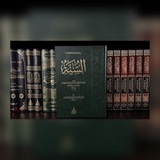 Al-Āṯār@kitabusulReligion1.32K
 Qamariddin Bekmuhammad@qamariddinbekmuhammadReligion2.58K
 አህሉል ቁርአን@ahlulqurannReligion2.58K
 التحديات الإيمانية- أحمد الجابري@drahmedelgabry_weeklychallengesReligion2.59K
 Muhtasib محتسب@muhtasibunReligion2.58K
 ES IST VOLLBRACHT@esistvollbrachtReligion2.59K
 ZEKR, MIT Shia Muslim Association@zekrmitReligion2.59K
 رُكن النجاة@hlgkgkvgtReligion2.59KAl-Āṯār@kitabusul1 mentionLatest post