AI ChatbetaAccount
Subscribers2,071
Avg views per post, 7d—last 7 days
ERR44.66%30-day average

Average views per post by day

By publication day

Show as table
DateAvg views per post
Nov 2, 2026435
Nov 5, 20261,850
Nov 6, 20261,960

Most viewed this month

  1. 01

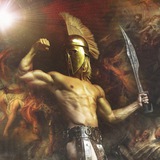
    On 6 November 1632, Gustavus Adolphus fell at the Battle of Lützen. But across seventeenth-century Europe, the Swedish king had already become something far greater than a military commander. He was believed by some to be the fulfilment of an ancient-sounding prophecy. A mysterious text attributed to the Renaissance alchemist Paracelsus foretold the coming of a ''Golden Lion from Midnight'', from the far North. This lion would rise against the Eagle, overthrow its dominion, and usher in an age of peace before the approaching end of the world. The symbolism was unmistakable to contemporary interpreters. The Lion represented the northern deliverer. The Eagle represented the Habsburg Empire. And the struggle between them was understood not merely as a political war, but as a cosmic confrontation between opposing spiritual powers. When Gustavus Adolphus marched into Germany, Protestant pamphlets depicted him as the prophesied Lion, confronting dragons and apocalyptic beasts. His image became entangled with biblical prophecy, alchemical tradition, and the mystical expectations of the seventeenth century. The king was no longer simply Gustav Adolf. He was the ''Lion of Midnight''. A figure of destiny, whose victories seemed to announce the turning of an age. And when he died at Lützen, his death did not immediately extinguish the prophecy. Instead, the fallen king acquired the aura of a martyr, while stories and visions of his possible return continued to circulate. The Lion had fallen. But the myth had only begun. 🦁 Today we commemorate King Gustavus Adolphus. 🦁

    Photo
    Views1.96K
    Forwards—
    Reactions16
    Comments—
  2. 02
    Views1.85K
    Forwards—
    Reactions3
    Comments—
  3. 03
    Views483
    Forwards—
    Reactions9
    Comments—
  4. 04
    Views472
    Forwards—
    Reactions8
    Comments—

Latest posts

#773Photo

On 6 November 1632, Gustavus Adolphus fell at the Battle of Lützen. But across seventeenth-century Europe, the Swedish king had already become something far greater than a military commander. He was believed by some to be the fulfilment of an ancient-sounding prophecy. A mysterious text attributed to the Renaissance alchemist Paracelsus foretold the coming of a ''Golden Lion from Midnight'', from the far North. This lion would rise against the Eagle, overthrow its dominion, and usher in an age of peace before the approaching end of the world. The symbolism was unmistakable to contemporary interpreters. The Lion represented the northern deliverer. The Eagle represented the Habsburg Empire. And the struggle between them was understood not merely as a political war, but as a cosmic confrontation between opposing spiritual powers. When Gustavus Adolphus marched into Germany, Protestant pamphlets depicted him as the prophesied Lion, confronting dragons and apocalyptic beasts. His image became entangled with biblical prophecy, alchemical tradition, and the mystical expectations of the seventeenth century. The king was no longer simply Gustav Adolf. He was the ''Lion of Midnight''. A figure of destiny, whose victories seemed to announce the turning of an age. And when he died at Lützen, his death did not immediately extinguish the prophecy. Instead, the fallen king acquired the aura of a martyr, while stories and visions of his possible return continued to circulate. The Lion had fallen. But the myth had only begun. 🦁 Today we commemorate King Gustavus Adolphus. 🦁

Open in Telegram
Views1,960+112%vs avg
Forwards—
Reactions16
Comments—

#767Link preview
Views617−33%vs avg
Forwards—
Reactions13
Comments—
#766Link preview
Views4,030+336%vs avg
Forwards—
Reactions16
Comments—

#764Text
Views763−17%vs avg
Forwards—
Reactions22
Comments—

All posts

Connections